About Us


Mission
MM Safety Solutions is set To be South Africa's leading force in creating a safer tomorrow, where every individual thrives in secure environments built on innovation, trust, and uncompromising safety standards.
Vision
MM Safety Solutions' mission is to deliver world-class safety solutions that protect lives, empower communities, and support businesses across South Africa. Through cutting-edge technology, expert training, and proactive risk management, we strive to eliminate workplace hazards, enhance public safety, and foster a culture of security and resilience for all.
MM Safety Solutions is governed by several key pieces of legislation and regulations that ensure workplace safety, employee well-being, and compliance with national standards.
-
Occupational Health and Safety Act (OHSA) No. 85 of 1993
- Purpose: This is the cornerstone legislation for workplace safety in South Africa. It aims to protect the health and safety of employees and other persons affected by workplace activities.
- Key Provisions:
- - Employers must provide and maintain a safe working environment without risks to health (Section 8).
- - Duties extend to contractors, suppliers, and manufacturers of machinery or substances (Sections 10 and 14).
- - Employees must comply with safety measures and report hazards (Section 14).
- - Appointment of health and safety representatives and committees where applicable (Sections 17-19).
- Relevance to a Safety Company: A safety company must ensure its services (e.g., risk assessments, safety training, equipment provision) align with OHSA requirements. It may also assist clients in achieving compliance.
-
Compensation for Occupational Injuries and Diseases Act (COIDA) No. 130 of 1993**
- Purpose: Provides compensation for employees injured or who contract diseases due to workplace activities.
- Key Provisions:
- - Employers must register with the Compensation Fund and pay annual assessments.
- - Covers occupational injuries, diseases, and fatalities.
- Relevance to a Safety Company: A safety company may advise clients on COIDA compliance, including maintaining records for claims and ensuring safe practices to minimize incidents.
-
Construction Regulations 2014 (under OHSA)
- Purpose: Specific regulations for the construction industry, a high-risk sector often served by safety companies.
- Key Provisions:
- - Requires a Health and Safety File for construction projects (Regulation 7).
- Mandates risk assessments, safety plans, and competent supervision.
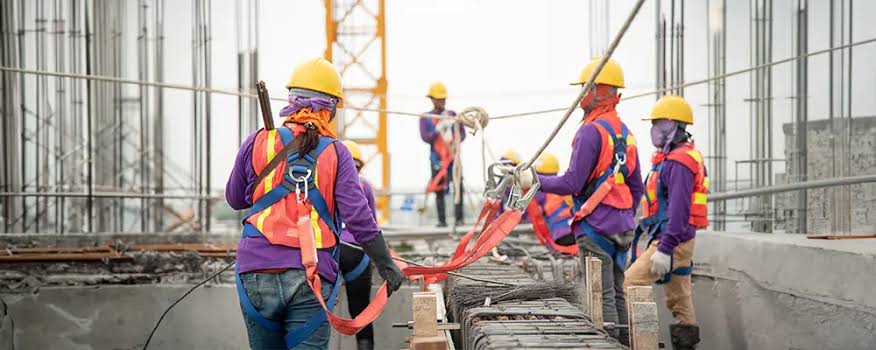
- Relevance to a Safety Company: If operating in construction, the company must provide services like safety file compilation, fall protection plans, and training to meet these standards.
-
General Safety Regulations (under OHSA)
- Purpose: Broad safety rules applicable across industries.
- Key Provisions:
- - Covers machinery safety, personal protective equipment (PPE), and workplace conditions.
- Relevance to a Safety Company: Ensures that any equipment supplied (e.g., PPE) or safety protocols recommended comply with these regulations.
-
Companies Act No. 71 of 2008
- Purpose: Governs the establishment and operation of businesses in South Africa.
- Key Provisions:
- - Requires registration with the Companies and Intellectual Property Commission (CIPC).
- - Directors have a duty to act in good faith and ensure compliance with laws, including safety regulations.
- Relevance to a Safety Company: The company must be legally registered and operate within corporate governance standards, especially if supplying safety solutions to other businesses.
-
Basic Conditions of Employment Act (BCEA) No. 75 of 1997
- Purpose:Regulates employment conditions, including working hours and leave.
- Key Provisions:
- - Limits excessive working hours that could compromise safety (Section 9).
- Relevance to a Safety Company: Ensures its own employees’ conditions align with BCEA, and advises clients on how fatigue impacts workplace safety.
-
South African National Standards (SANS)
- Purpose: Voluntary standards enforced via OHSA or industry requirements (e.g., SANS 10085 for scaffolding).
- Key Provisions:
- - Specifies technical safety standards for equipment, installations, and processes.
- Relevance to a Safety Company: Products or services (e.g., scaffolding, fire safety equipment) must meet SANS standards to be legally compliant.
-
Private Security Industry Regulation Act (PSIRA) No. 56 of 2001(if applicable)
- Purpose: Regulates private security providers, including those offering safety-related services like guarding or monitoring.
- Key Provisions:
- - Requires registration with PSIRA and adherence to a code of conduct.
- Relevance to a Safety Company: Applies if the company provides security-related safety services.
- Practical Implications for a Safety Company
- Compliance: The company must ensure its operations, staff training, and offerings comply with these laws. For example, supplying PPE requires meeting SANS specifications, while consultancy services must align with OHSA duties.
- Liability: Non-compliance could lead to fines, imprisonment (up to 2 years under OHSA), or civil liability for workplace incidents.
- Industry-Specific Focus: Depending on its clientele (e.g., mining, construction, manufacturing), additional regulations like the Mine Health and Safety Act No. 29 of 1996 may apply.
- This framework ensures our company operates legally, protects its clients, and contributes to a broader culture of safety.